
Trézor.io/Start — Starting Up™ Your Device | Trézor®
Trezor.io/start gives you a practical starting resource for device preparation, wallet configuration, account management, digital holdings, and transfers.
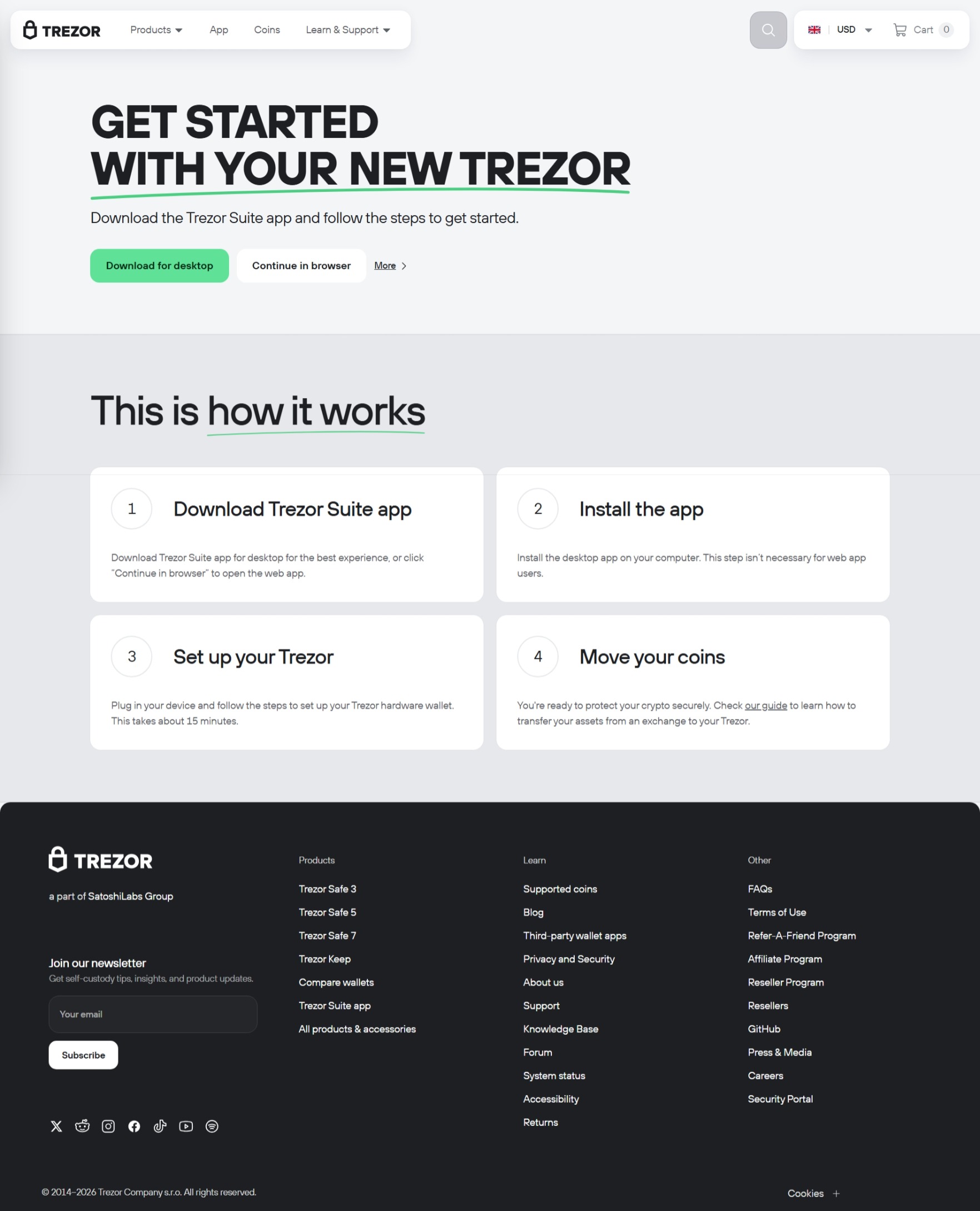
Trezor.io/start: Beginner Tips for Setting Up and Using a Trezor Wallet
A new hardware wallet can feel unfamiliar, especially if this is your first time using a dedicated device for digital-asset management. Trezor.io/start is often used by beginners who want to learn how to approach their initial Trezor setup and create a sensible routine for future wallet sessions.
The key is to separate setup, security, and everyday management into simple stages.
1. Start With a Reliable Computer
Use a computer that you trust when beginning the setup process.
Avoid using public computers or devices where you cannot control the installed software. A private environment also makes it easier to focus on important instructions without interruptions.
Before beginning, make sure your computer is ready for normal software installation and that you have enough time to complete the process carefully.
2. Verify Where You Are
Before following instructions associated with Trezor.io/start, check the website address in your browser.
Be especially careful with links received through messages, advertisements, forums, or social media. A page can look convincing without being an appropriate source for wallet setup.
Verify the destination before installing software or entering any information.
3. Follow the Device Instructions
Once you have reached the correct setup resource, follow the instructions relevant to your Trezor model.
Connect the hardware wallet as directed and pay attention to prompts appearing on the computer and the physical device.
Do not approve an action merely because it is the next button in a setup sequence. Read what you are confirming.
4. Keep Recovery Details Private
Recovery information deserves particular attention.
When your wallet provides recovery words or related instructions, handle them carefully. Keep the information private and store it in a secure offline location appropriate for your circumstances.
Never publish recovery words online or send them through email, chat, social media, or support conversations.
If somebody asks for these details, do not provide them just because they claim to represent a wallet company.
5. Understand the Wallet Interface
Once setup is finished, take some time to become familiar with the wallet environment.
You may encounter account information, balances, supported assets, and transaction records depending on your configuration.
Explore the basic functions first. A few minutes spent learning the interface can make everyday management more comfortable.
6. Review Every Transaction
One of the most useful habits is checking transaction information before final approval.
When preparing a transaction, carefully review the destination and amount. Where your hardware wallet provides confirmation information, compare it with what you intended to send.
Do not approve a transaction if important details appear unexpected.
7. Ignore Unsolicited “Support”
Online wallet users can encounter fake support accounts and misleading assistance offers.
Someone who contacts you unexpectedly and asks for recovery words, private information, or remote computer access should not automatically be trusted.
Instead, find support information through a source you independently verify.
8. Keep Software Sources Consistent
After completing Trezor.io/start, continue paying attention to where wallet software and updates come from.
Avoid downloading modified applications or files from unknown websites. Be skeptical of claims that a special download is required to unlock features or resolve an urgent wallet problem.
When something seems unusual, pause and verify it.
9. Build a Repeatable Routine
A simple routine can make wallet management more predictable.
Before using the wallet, confirm that you are working with the expected software and device. During transactions, carefully check the information before approval. Afterward, disconnect and store your hardware wallet appropriately.
The goal is not to make every session complicated. It is to make careful behavior consistent.
Final Takeaway
Trezor.io/start can be a useful starting point for beginners preparing a Trezor hardware wallet. The most important part of the process is understanding what you are doing rather than simply moving through the setup as quickly as possible.
Use a trusted computer, verify the setup source, follow your device prompts, protect recovery information, and check transaction details before confirming them. These habits provide a practical foundation for responsible hardware-wallet use.
Updated about 9 hours ago